Contents:
- Why Missed Deductions Cost More Than You Think
- Step-by-Step Filing Process
- Step 1: Separate Business and Personal Finances
- Step 2: Track Expenses Continuously
- Step 3: Capture the Commonly Missed Categories
- Step 4: Reconcile Before Filing
- A Seasonal Filing Calendar
- The Eco-Friendly Deduction Angle
- Real Example
- Troubleshooting Common Problems
- FAQ
- Can I deduct my home internet bill?
- What happens if I miss a deduction after filing?
- Do I need receipts for every expense?
- Is a home office deduction risky?
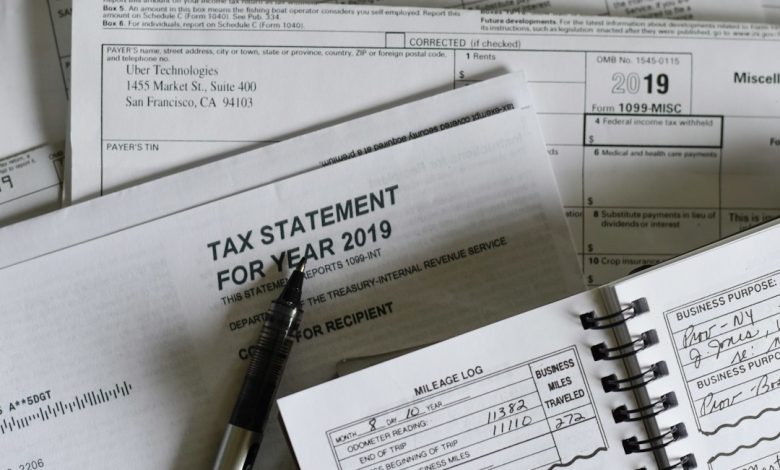
The stack of receipts on the desk grows every March, and the fear of overpaying the IRS grows right along with it. Filing business taxes without missing deductions requires more than good intentions; it requires a repeatable system that catches expenses before they slip through the cracks.
Quick Answer: To file business taxes without missing deductions, track expenses monthly using accounting software, separate business and personal accounts, claim home office and vehicle mileage where eligible, and review IRS Schedule C or Form 1120 line items against a written checklist before submitting your return.
Why Missed Deductions Cost More Than You Think
A missed $2,400 home office deduction is not just $2,400 lost; at a 24% marginal tax rate, that is roughly $576 handed to the IRS unnecessarily. Small business owners routinely overpay by $1,500 to $3,000 a year, according to National Small Business Association survey data, simply because they lack a documentation system.
Step-by-Step Filing Process
Step 1: Separate Business and Personal Finances
Open a dedicated business checking account and a business credit card before the tax year even begins. Mixed accounts are the single biggest reason legitimate deductions get disallowed during an audit.
Step 2: Track Expenses Continuously
Use software like QuickBooks ($35/month) or Wave (free) to log every transaction. Categorize as you go: office supplies, software subscriptions, mileage, and professional services each need their own bucket.
Step 3: Capture the Commonly Missed Categories
- Home office square footage (Simplified Method: $5 per square foot, up to 300 sq ft)
- Vehicle mileage at the 2026 IRS standard rate
- Health insurance premiums for self-employed filers
- Retirement contributions to a SEP-IRA or Solo 401(k)
- Bank and merchant processing fees
Step 4: Reconcile Before Filing
Run a profit-and-loss report and compare it line by line against last year’s return. Anything that dropped to zero deserves a second look.
A Seasonal Filing Calendar
January: gather 1099s and W-2s. February: reconcile the full-year ledger. March 15: S-corp and partnership deadline. April 15: sole proprietor and C-corp deadline. September 15 and October 15: extended deadlines if you filed Form 7004 or 4868.
The Eco-Friendly Deduction Angle
Businesses that invest in solar panels, energy-efficient HVAC systems, or electric delivery vehicles can claim the Section 179D deduction or the Commercial Clean Vehicle Credit, worth up to $40,000 depending on vehicle weight class. Going green often pays for itself twice: once in utility savings, once on the return.

Real Example
A freelance graphic designer in Ohio tracked $4,200 in software subscriptions, $1,100 in mileage, and a $780 home office deduction. That combination reduced her taxable income by $6,080, saving roughly $1,459 at her tax bracket.
Troubleshooting Common Problems
If your software shows mismatched totals, check for duplicate imports from linked bank accounts. If a deduction seems too good to be true, such as claiming 100% personal vehicle use as business, it likely will not survive an audit.
FAQ
Can I deduct my home internet bill?
Yes, the business-use percentage of your internet and phone bills is deductible; track the percentage with a simple usage log.
What happens if I miss a deduction after filing?
File Form 1040-X to amend your return within three years of the original filing date.
Do I need receipts for every expense?
The IRS requires documentation for expenses over $75, but keeping all receipts protects you in an audit regardless of amount.
Is a home office deduction risky?
No, as long as the space is used regularly and exclusively for business, it is a legitimate and commonly claimed deduction.