Contents:
- Intro Question: Do You Owe Quarterly Taxes?
- The Brief Answer
- Why This System Exists
- A Personal Example
- When It Applies and When It Doesn’t
- What the Pros Know
- A Quick Cost Breakdown
- Frequently Asked Questions
- What happens if I miss a quarterly deadline?
- Can I pay estimated taxes online?
- Do new businesses need to pay quarterly taxes in their first year?
- How do I estimate my quarterly payment if income varies?
- Conclusion
Roughly one in five self-employed taxpayers gets hit with an IRS underpayment penalty each year, often because nobody explained that taxes aren’t just a once-a-year event anymore once you work for yourself. If you’re wondering whether you owe estimated quarterly taxes, here’s the honest answer.
Intro Question: Do You Owe Quarterly Taxes?
If you expect to owe $1,000 or more in federal tax for the year and don’t have taxes withheld from a paycheck, the answer is almost certainly yes.
The Brief Answer
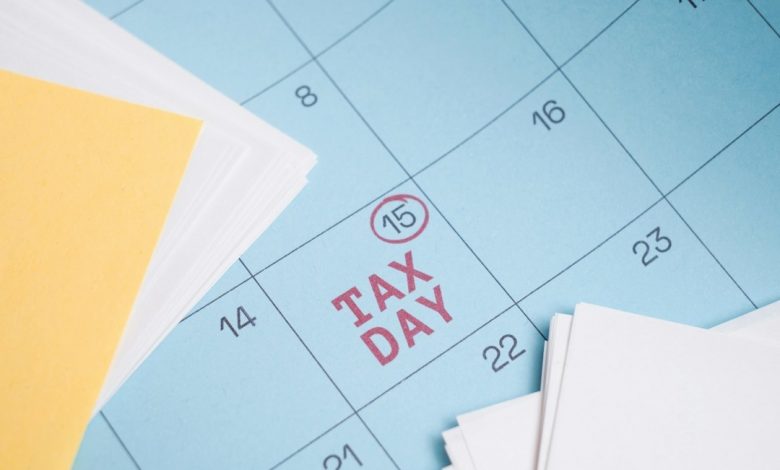
Business owners, freelancers, and independent contractors generally must pay estimated taxes four times a year: April 15, June 16, September 15, and January 15 of the following year for 2026 income. Each payment covers income tax plus self-employment tax, which is 15.3% on net earnings up to the Social Security wage base.
Why This System Exists
The IRS collects tax as income is earned, not in one lump sum. Employees have this handled automatically through payroll withholding. Business owners have to replicate that process manually, and skipping it means facing an underpayment penalty even if you pay everything owed by the April filing deadline.
A Personal Example
A freelance graphic designer I know spent her first year in business paying nothing until tax season, then owed $9,200 in April along with a penalty of roughly $310 for underpayment. The following year, she set aside 25% of every invoice into a separate savings account and paid quarterly, which eliminated the penalty entirely and made each payment feel manageable instead of catastrophic.
When It Applies and When It Doesn’t
If your business is taxed as an S-corp and you pay yourself a W-2 salary with withholding, you may not need separate quarterly payments if withholding covers your total tax liability. Sole proprietors, single-member LLCs, and partners almost always need to pay quarterly. You can also avoid the penalty if you paid at least 90% of the current year’s tax or 100% of last year’s tax liability (110% if your prior-year income exceeded $150,000).
What the Pros Know
Sidebar Tip: Use IRS Form 1040-ES to calculate your quarterly payment, and set a recurring calendar reminder two weeks before each deadline. Many accountants recommend paying slightly more than the calculated minimum in your first year to build a buffer against underestimating income.
A Quick Cost Breakdown

For a freelancer netting $80,000 in 2026, expect roughly $12,240 in self-employment tax plus federal income tax based on their bracket, often totaling combined quarterly payments between $4,000 and $5,000 per quarter depending on deductions and filing status. State income tax, where applicable, adds a separate quarterly obligation on top of that.
Frequently Asked Questions
What happens if I miss a quarterly deadline?
You’ll owe an underpayment penalty calculated on the shortfall, though paying as soon as possible after a missed deadline reduces the accumulated penalty.
Can I pay estimated taxes online?
Yes, through the IRS Direct Pay system or EFTPS, both free and immediate, avoiding mailed check delays.
Do new businesses need to pay quarterly taxes in their first year?
Yes, if you expect to owe $1,000 or more, though the safe harbor rule based on prior-year tax doesn’t apply since there’s no prior year.
How do I estimate my quarterly payment if income varies?
Use the annualized income installment method on Form 2210, which adjusts payments based on actual quarterly earnings rather than a flat estimate.
Conclusion
Treat quarterly taxes as a recurring business expense, not a surprise bill, and set aside 25-30% of net income as you earn it so each deadline arrives as routine, not a scramble.