
Contents:
- Why the Business Model Matters More Than the Product
- 15 Common Business Model Types
- The Cost of Building Each Model
- Where Sustainability Fits Into the Model
- Exceptions and Hybrid Models
- What an Expert Says
- Frequently Asked Questions
- What is the most profitable business model?
- Can a business use more than one model at once?
- How do I choose the right business model for my idea?
- Is a franchise a business model or a legal structure?
A business model is the plan for how a company makes money: what it sells, to whom, and at what cost to deliver it. That explains why two coffee shops on the same street can have wildly different profit margins despite selling the same drink.
Anyone starting a company, or trying to understand why a competitor is winning, eventually hits the same wall: the product looks similar, but the money moves differently underneath it. Understanding revenue mechanics separates a hobby from a scalable company.
Why the Business Model Matters More Than the Product
Two companies can sell identical software but earn different margins because one charges a one-time fee and the other charges monthly. The model determines cash flow timing, customer lifetime value, and how much the company can spend acquiring a new customer.
15 Common Business Model Types
- Retail: Buy inventory, sell at markup. Example: a local hardware store.
- Subscription: Recurring monthly or annual fee. Example: Netflix, meal kit services.
- Freemium: Free basic tier, paid upgrades. Example: Spotify, Dropbox.
- Marketplace: Connects buyers and sellers, takes a commission. Example: Etsy, Airbnb.
- Franchise: Licenses a proven system for a fee plus royalties. Example: Subway.
- Manufacturing: Produces goods and sells to distributors or direct.
- Wholesale: Sells in bulk at lower margins, higher volume.
- Direct-to-consumer (D2C): Skips middlemen, sells online. Example: Warby Parker.
- Advertising-supported: Free service, revenue from ads. Example: YouTube.
- Razor-and-blade: Cheap core product, pricey consumables. Example: inkjet printers.
- Licensing: Sells rights to use intellectual property.
- Affiliate: Earns commission promoting others’ products.
- On-demand service: Pay-per-use labor. Example: Uber, TaskRabbit.
- SaaS (Software as a Service): Cloud software billed monthly per seat.
- Nonprofit/donation-based: Funded by grants and donor contributions.
The Cost of Building Each Model
Startup costs vary widely. A subscription box business might launch for $5,000–$15,000 in inventory and packaging. A SaaS product often needs $20,000–$80,000 in development before the first sale. A freelance service model can start for under $500 in licensing and a website.
Where Sustainability Fits Into the Model
More models now bake sustainability into pricing rather than treating it as a marketing add-on. Refill and subscription models cut packaging waste because products ship less often, in bulk. Many D2C brands now use recycled shipping materials and carbon-offset delivery, which customers increasingly expect.
Exceptions and Hybrid Models
Few companies fit one category cleanly. Amazon runs retail, marketplace, subscription, and advertising models at once. A gym might combine subscription membership with on-demand training add-ons. Hybrid models spread risk but add operational complexity a single-model business avoids.
What an Expert Says
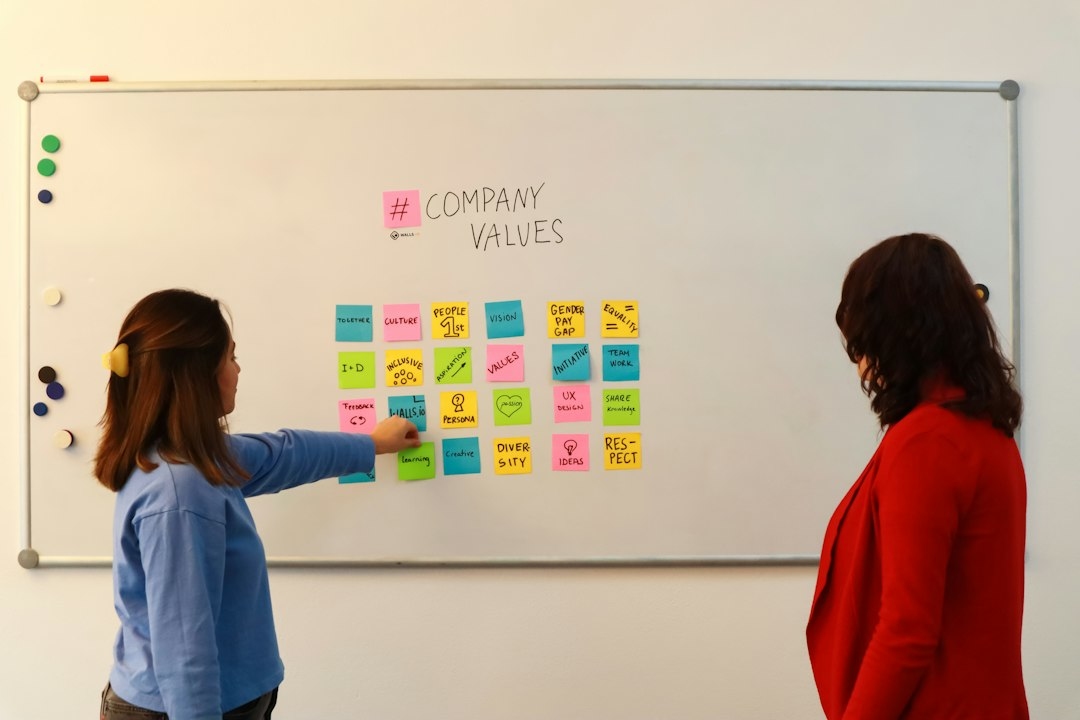
“The business model is the single biggest predictor of whether a startup survives its first three years, more than the product itself,” says Dana Ferris, a certified management consultant with fifteen years advising small businesses on growth strategy. “I’ve seen great products fail because the revenue timing didn’t match the cost of acquiring customers.”
Frequently Asked Questions
What is the most profitable business model?
SaaS and subscription models tend to produce the highest margins, often 70% to 85% gross margin, because delivery costs stay low after the product is built.
Can a business use more than one model at once?
Yes. Hybrid models are common, especially as companies grow and diversify revenue streams to reduce dependence on one source.
How do I choose the right business model for my idea?
Match the model to how customers already prefer to pay in your industry, then test pricing with a small group before scaling.
Is a franchise a business model or a legal structure?
Both: a legal licensing arrangement and a revenue model built around royalties and standardized operations.